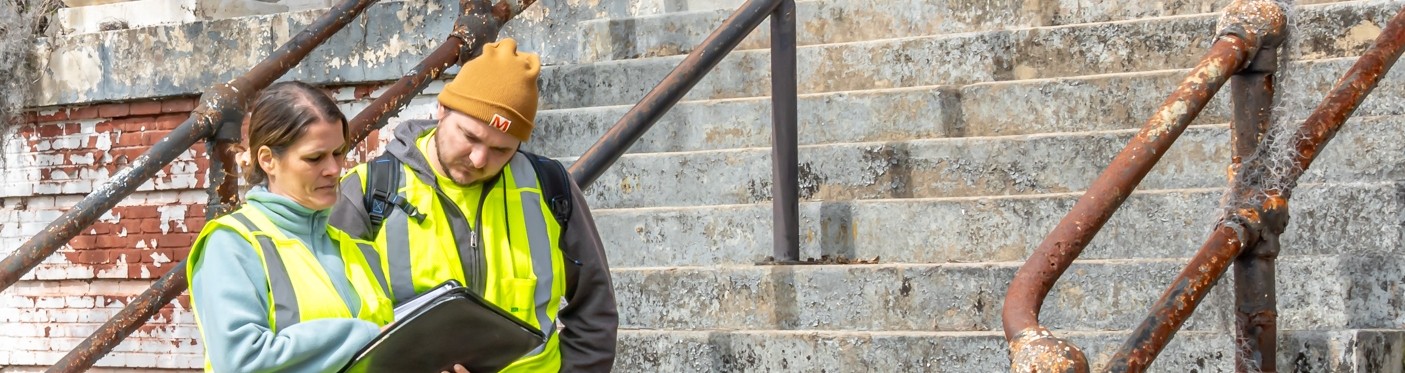

Whether you're purchasing, financing, or managing a commercial property, understanding its physical condition is essential. A Property Condition Assessment (PCA) provides an objective evaluation of a building's major systems, identifies existing deficiencies, and estimates future capital repair costs. Conducted in accordance with ASTM E2018-15, a PCA helps property owners, investors, lenders, and asset managers make informed real estate decisions while reducing financial risk.
At GEL Engineering, our experienced engineers perform comprehensive Property Condition Assessments for commercial, industrial, institutional, and multifamily properties throughout the Southeast.
What Is a Property Condition Assessment (PCA)?
A Property Condition Assessment is a professional evaluation of a property's physical condition. The assessment documents the current state of building systems, identifies deficiencies, estimates remaining useful life, and provides projected capital expenditures.
PCAs are commonly performed for:
- Commercial real estate acquisitions
- Property refinancing
- Lender due diligence
- Capital improvement planning
- Portfolio management
- Investment risk assessments
The primary objective is to answer one critical question:
What is the current condition of the property, and what repairs or replacements should be anticipated over the coming years?
Why ASTM E2018-15 Is the Industry Standard
The ASTM E2018-15 Standard Guide for Property Condition Assessments establishes a consistent framework for conducting baseline PCAs. While it is not a building code or regulatory requirement, it is widely recognized as the industry standard by lenders, investors, attorneys, and commercial property owners.
The standard defines:
- Minimum scope of work
- Visual inspection procedures
- Professional responsibilities
- Required report components
- Reporting limitations
Following ASTM E2018-15 ensures assessments are thorough, consistent, and defensible during commercial real estate transactions.
What Is Included in a Property Condition Assessment?
A PCA is a visual, non-invasive inspection of a property's major building systems and site improvements.
Site and Exterior Evaluation
The assessment typically includes:
- Parking lots and paving
- Sidewalks and curbs
- Drainage systems
- Site grading
- Retaining walls
- Fencing
- Landscaping
- Exterior walls
- Windows and doors
- Roofing systems
Structural Systems
Engineers evaluate observable structural components, including:
- Foundations (where visible)
- Structural framing
- Roof framing
- Building envelope
- Observable structural distress
Mechanical, Electrical, and Plumbing (MEP) Systems
Major building systems evaluated include:
- HVAC equipment
- Electrical service and distribution
- Plumbing systems
- Domestic water systems
- Fire protection systems
- Life safety components
Interior Components
Interior observations typically include:
- Common areas
- Representative tenant spaces
- Walls, ceilings, and flooring
- Interior finishes
- General ADA accessibility observations
What Does a PCA Report Include?
A professionally prepared Property Condition Assessment report provides decision-makers with clear documentation of the property's condition and anticipated repair costs.
Typical report sections include:
Executive Summary
An overview of significant findings, major deficiencies, and immediate concerns.
Property Description
General information including:
- Building age
- Size
- Occupancy
- Construction type
- Property use
Building Observations
Detailed observations of each building system, including photographs documenting significant conditions.
Opinions of Probable Costs (OPCs)
One of the most valuable components of the PCA is the Opinion of Probable Costs, which estimates:
- Immediate repairs
- Short-term repairs (0–1 year)
- Long-term capital replacement costs (typically over a 10-year planning horizon)
These estimates are professional engineering opinions—not contractor bids—and are intended to support budgeting and due diligence decisions.
Limiting Conditions
Every PCA identifies the scope of the assessment, assumptions made, and any areas that were inaccessible or excluded from evaluation.
What Is Not Included in a PCA?
ASTM E2018-15 defines a baseline assessment. Unless specifically requested, a PCA does not include:
- Destructive testing
- Building code compliance reviews
- Environmental assessments (such as Phase I Environmental Site Assessments)
- Hazardous materials testing
- Specialized equipment diagnostics
- Structural calculations
- Design services
If significant concerns are identified, the engineer may recommend Further Investigation (FI) by the appropriate specialist.
Best Practices for a High-Quality Property Condition Assessment
The most reliable PCA reports combine technical expertise with thorough documentation.
Best practices include:
Review Existing Documentation
Construction drawings, maintenance records, warranties, inspection reports, and capital improvement histories provide valuable context for the assessment.
Perform Representative Sampling
For multifamily, hospitality, healthcare, and office properties, inspecting representative units or spaces provides a more accurate understanding of overall building conditions.
Document Findings with Photographs
Clear photographs help owners, lenders, and investors understand observed deficiencies and support engineering recommendations.
Communicate with Property Personnel
Discussions with owners, maintenance staff, and facility managers often provide important information regarding recurring maintenance issues, past repairs, and hidden conditions.
Why Property Condition Assessments Matter
Property Condition Assessments play an important role in commercial real estate by helping stakeholders:
- Reduce investment risk
- Support acquisition decisions
- Strengthen lender due diligence
- Negotiate purchase agreements
- Plan future capital expenditures
- Improve long-term asset management
An accurate PCA provides the information needed to make confident, informed decisions before investing in or managing a commercial property.
Frequently Asked Questions
What is the purpose of a Property Condition Assessment?
A PCA evaluates the physical condition of a commercial property, identifies deficiencies, and estimates future repair and replacement costs to support informed real estate decisions.
Who needs a PCA?
Property Condition Assessments are commonly requested by commercial property buyers, lenders, investors, developers, property owners, attorneys, and asset managers.
Is a PCA the same as a building inspection?
No. A PCA follows the ASTM E2018-15 standard and focuses on evaluating major building systems and long-term capital needs for commercial properties. Residential building inspections typically follow different standards and have different objectives.
How long does a Property Condition Assessment take?
The duration depends on the property's size, complexity, and occupancy. Most commercial PCAs require a site visit followed by report preparation and cost analysis.
Why Choose GEL Engineering for Property Condition Assessments?
GEL Engineering provides Property Condition Assessments that meet the requirements of ASTM E2018-15 while delivering the practical insights clients need to evaluate commercial real estate assets. Our multidisciplinary engineering team understands building systems, structural performance, and facility maintenance, allowing us to identify issues that may affect a property's long-term value and performance.
Whether you're purchasing a single facility or evaluating an entire portfolio, GEL Engineering delivers thorough, objective assessments tailored to your due diligence needs.
Contact GEL Engineering to request a proposal: Contact Us