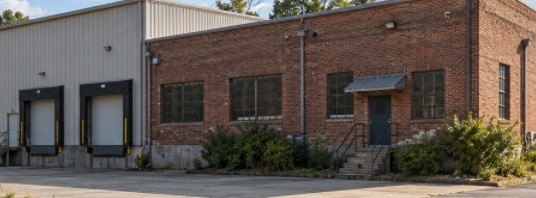
Reduce Your Risk Before You Buy with a Comprehensive Due Diligence Package
In commercial real estate, industrial acquisitions, and brownfield redevelopment projects, informed decisions begin with thorough due diligence. While many buyers focus primarily on a Phase I Environmental Site Assessment (ESA), a comprehensive due diligence package provides a much deeper understanding of environmental liabilities, building conditions, regulatory obligations, and potential redevelopment costs.
Depending on the property and planned use, a due diligence package may include a Phase I ESA, Phase II ESA (when warranted), an evaluation of South Carolina’s Voluntary Cleanup Contract (VCC) program, a Property Condition Assessment (PCA), Structural Assessment, Asbestos-Containing Materials (ACM) Assessment, Lead-Based Paint (LBP) Assessment, and Mold Assessment. Together, these investigations help investors, lenders, developers, and property owners identify risks before they become costly surprises.
GEL Engineering, LLC can help you with each of these investigations. Contact us to discuss your property and request a proposal.
Phase I Environmental Site Assessment: The First Line of Defense
The Phase I ESA serves as the foundation of environmental due diligence. Conducted in accordance with ASTM E1527-21, this assessment evaluates the history and current use of a property to identify recognized environmental conditions (RECs).
The investigation typically includes:
- Historical aerial and fire insurance map reviews
- Regulatory database searches
- Site reconnaissance
- Interviews with owners, operators, and local officials
- Review of surrounding property uses
A standard Phase I ESA does not include soil or groundwater sampling or testing for building materials such as asbestos and lead-based paint. Instead, it helps determine whether additional investigation is warranted.
Phase II Environmental Site Assessment: Confirming Environmental Conditions
When a Phase I ESA identifies potential concerns, a Phase II ESA may be recommended. Its scope is tailored to the identified concerns and may include environmental sampling to evaluate whether contamination is present and its extent.
Typical Phase II activities include:
- Soil sampling
- Groundwater monitoring
- Vapor intrusion evaluations
- Laboratory analysis of environmental media
The Phase II ESA can help characterize environmental risks, inform potential remediation costs, and support informed acquisition decisions.
South Carolina Voluntary Cleanup Contract (VCC)
For properties with known or suspected contamination, South Carolina’s Voluntary Cleanup Program can be a valuable risk-management strategy. An eligible prospective purchaser may seek a VCC as a non-responsible party, with liability protections subject to the contract’s terms and applicable requirements.
A VCC provides a framework for:
- Investigating environmental impacts
- Developing cleanup strategies
- Coordinating with regulatory agencies
- Addressing eligible liability protections under the contract
- Facilitating property transactions and redevelopment
For brownfield and former industrial properties, evaluating VCC eligibility early in the due diligence process can significantly improve project feasibility and certainty.
Property Condition Assessment (PCA): Understanding Building Health
A Property Condition Assessment evaluates the physical condition of existing improvements and identifies deferred maintenance items, capital expenditures, and building deficiencies.
A PCA conducted in accordance with ASTM E2018-24 generally includes a visual evaluation of:
- Roofing systems
- Building envelope
- Mechanical systems
- Electrical systems
- Plumbing infrastructure
- Fire and life safety components
- Site improvements
The final report may include opinions of probable costs and a replacement reserve schedule for an agreed-upon evaluation period, helping buyers plan for ownership costs.
Structural Assessment: Looking Beyond Surface Conditions
While a PCA provides a broad overview of building systems, a Structural Assessment focuses specifically on the integrity and performance of structural components.
Engineers evaluate:
- Foundations
- Load-bearing walls
- Structural steel
- Concrete systems
- Framing components
- Settlement and movement concerns
For older industrial, manufacturing, and warehouse facilities, a structural assessment can identify deficiencies and signs of concealed issues that may warrant further investigation before a change in use or redevelopment.
Asbestos-Containing Materials (ACM) Assessment
Many buildings constructed before the 1980s contain asbestos-containing materials. While asbestos can sometimes remain safely in place, disturbance during renovation or demolition can create significant health and regulatory concerns.
An ACM assessment identifies:
- Location of suspect materials
- Material condition
- Asbestos content through laboratory analysis
- Potential abatement requirements
Knowing the presence and condition of ACM allows owners and developers to plan appropriately and avoid unexpected project costs.
Lead-Based Paint (LBP) Assessment
Lead-based paint may be present in older buildings, including pre-1978 housing and child-occupied facilities. An LBP assessment evaluates whether lead-containing coatings are present and, as appropriate, associated risks.
The assessment may include:
- XRF testing
- Paint chip sampling
- Risk evaluations
- Regulatory compliance recommendations
For redevelopment projects and occupied properties, identifying lead-containing coatings helps protect occupants and plan work in accordance with requirements applicable to the building and its use.
Mold Assessment: Protecting Occupants and Investments
Moisture intrusion and poor ventilation can create conditions conducive to mold growth. Left unaddressed, mold can impact indoor air quality, building materials, and potentially occupant health.
A mold assessment typically evaluates:
- Visible mold growth
- Moisture sources
- Indoor air quality concerns
- Relative humidity conditions
- Remediation recommendations
Early identification of moisture and mold issues can help limit repair costs and tenant concerns down the road.
Why a Comprehensive Due Diligence Package Matters
No single assessment provides a complete picture of a property's risk profile. Environmental liabilities, building deficiencies, structural concerns, and hazardous building materials often intersect and can substantially affect property value, demolition costs, and redevelopment cost and timeline.
A comprehensive due diligence package helps stakeholders:
- Reduce acquisition risk
- Quantify potential liabilities
- Improve financing confidence
- Support redevelopment planning
- Avoid unforeseen capital expenditures
- Make informed investment decisions
Whether purchasing an operating industrial facility, evaluating a brownfield site, or preparing for redevelopment, due diligence provides information to guide the next decision.
Conclusion
Successful real estate investments begin with understanding both the opportunities and the risks. By selecting the appropriate combination of a Phase I ESA, Phase II ESA, South Carolina VCC evaluation, PCA, structural assessment, ACM assessment, LBP assessment, and mold assessment, stakeholders gain a more complete view of a property’s environmental and physical condition.
The result is better decision-making, stronger risk management, and a clearer path toward ownership and redevelopment.
Contact us to get started: Email GEL Engineering
Call: Bob MacPhee at 843-769-7378